
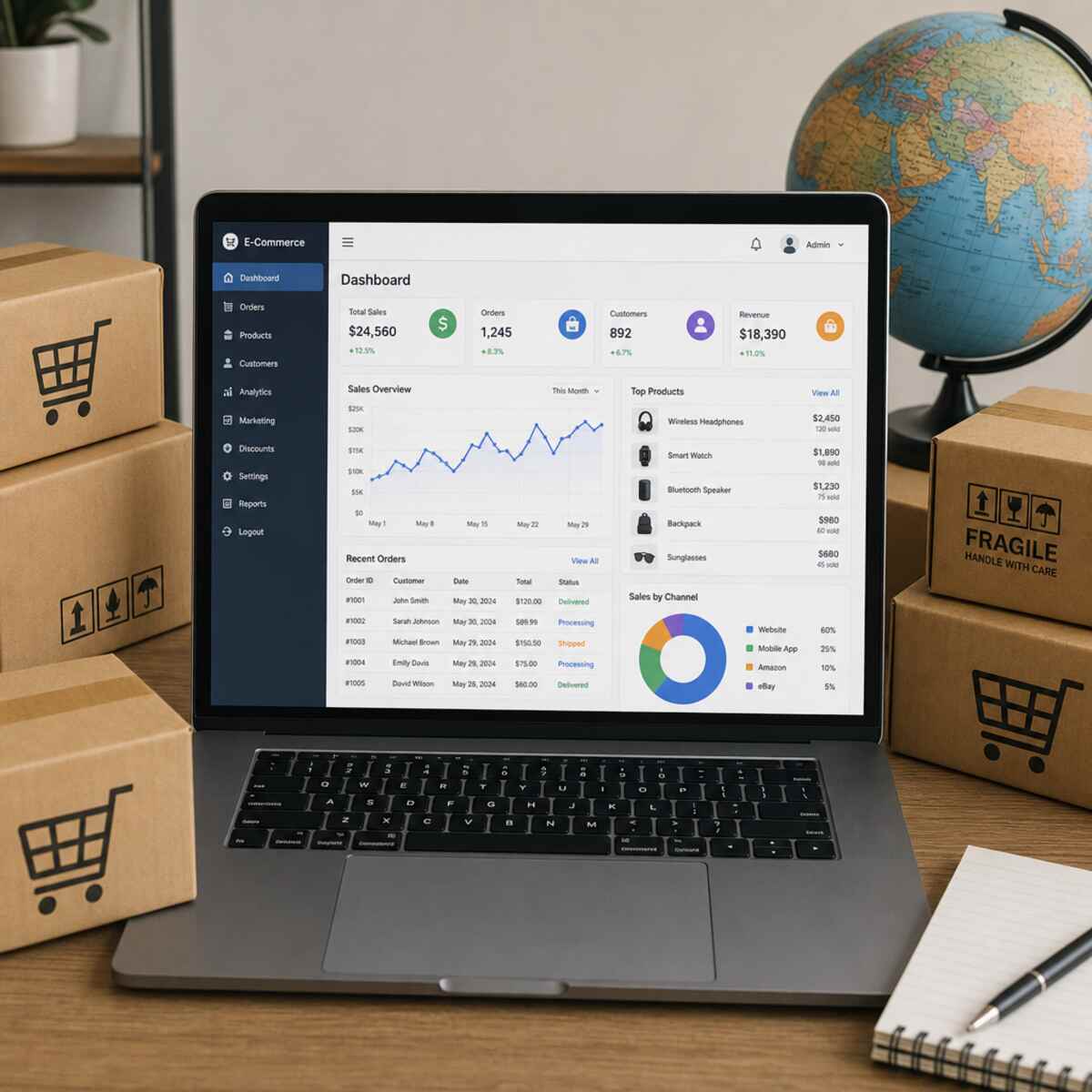

Starting an e-commerce business has never been more accessible, but finding a reliable source for your products is often the most challenging hurdle for new entrepreneurs. If you are looking to build a highly profitable online store, understanding the global manufacturing landscape is critical. For decades, China has been the undeniable powerhouse of global e-commerce manufacturing. Look into the Best info about dropshipping from china.
If you have been searching for the Best Chinese dropshipping sites for dropshipping from China, you have arrived at the ultimate resource. This comprehensive guide will walk you through everything you need to know to build a scalable, profitable, and reliable dropshipping business. We will explore the top platforms, analyze shipping logistics, discuss quality control, and reveal the secrets to automating your store for maximum efficiency.
Whether you are a seasoned e-commerce veteran or launching your very first Shopify or WooCommerce store, dropshipping from china offers unparalleled advantages in terms of product variety, profit margins, and scalability. Let’s dive deep into the world of chinese ecommerce sites and discover how you can leverage them to build a thriving brand.
Why Source Your Dropshipping Products from China?
Before diving into the best chinese dropshipping sites, it is important to understand exactly why China remains the undisputed king of e-commerce fulfillment.
- Unmatched Manufacturing Infrastructure: China possesses a massive, integrated supply chain. Factories, raw material suppliers, and packaging companies are often located in the same industrial parks, allowing for rapid production and iteration.
- Incredible Profit Margins: By bypassing domestic wholesalers and sourcing directly from the country of origin, you can secure products at a fraction of the cost, leaving ample room for marketing spend and profit.
- Product Variety: From viral TikTok gadgets to highly specialized industrial tools, Chinese marketplaces offer an inexhaustible catalog of products.
- E-commerce Readiness: Many Chinese suppliers are specifically structured to support dropshippers. They understand the model, offer single-item shipping, and can integrate with western e-commerce platforms seamlessly.
Despite rising global competition, the infrastructure supporting Chinese e-commerce export remains incredibly robust. However, success requires knowing exactly which platforms to use, how to negotiate, and how to manage the logistical challenges of international shipping.
The Titans of Chinese Dropshipping
Let’s explore the primary platforms that dominate the market. While some of these are household names, understanding the nuanced differences between them is crucial for your sourcing strategy.
1. AliExpress: The Dropshipping Pioneer
AliExpress is arguably the most famous platform for dropshippers worldwide. Owned by the Alibaba Group, it is a massive B2C (Business-to-Consumer) marketplace that allows you to buy products in single quantities.
Pros:
- Zero Minimum Order Quantities (MOQs): Perfect for testing new products.
- Buyer Protection: A robust escrow system ensures you get your money back if a product doesn’t arrive or doesn’t match the description.
- Ease of Integration: Virtually every dropshipping app integrates seamlessly with AliExpress.
Cons:
- Retail Pricing: Because it is a B2C platform, prices are slightly higher than true wholesale platforms.
- Inconsistent Quality: You are dealing with thousands of different resellers, not necessarily the manufacturers themselves.
2. Alibaba: The B2B Behemoth
While AliExpress is for single orders, Alibaba is the B2B (Business-to-Business) engine that powers global trade. Historically, Alibaba was strictly for bulk orders, but many suppliers now offer dropshipping services through their Dropshipping Center.
Pros:
- Factory-Direct Pricing: You are often dealing directly with the manufacturer, ensuring the lowest possible cost.
- Customization: It is the best place for private labeling and custom manufacturing.
Cons:
- Higher MOQs: While dropshipping is possible, many suppliers prefer bulk orders.
- Complex Interface: The platform is designed for professional buyers, which can make it slightly intimidating for absolute beginners.
3. CJ Dropshipping: The Modern Fulfillment Solution
CJ Dropshipping was built specifically for the dropshipping community. Unlike AliExpress, which is a marketplace of independent sellers, CJ operates as a massive fulfillment service. They source products, hold them in their warehouses, and ship them to your customers.
Pros:
- Sourcing Requests: If a product isn’t in their catalog, you can request them to source it for you.
- Global Warehouses: They have warehouses in the US, Europe, and Asia, which drastically cuts down shipping times.
- Quality Control: Because CJ handles the product directly before shipping, quality is generally more consistent.
Platform Showdowns: Which is Right for You?
To make the best decision for your business, you need to understand how these platforms stack up against one another in specific scenarios.
CJ Dropshipping vs AliExpress for Beginners
When analyzing CJ Dropshipping vs AliExpress for beginners, the choice largely depends on your technical comfort and business goals.
AliExpress is incredibly forgiving for a complete novice. It requires no setup costs, and apps like DSers let you import products to your Shopify store in one click. The variety on AliExpress is also mathematically impossible to beat. If a product exists, it is on AliExpress.
However, CJ Dropshipping offers a more sustainable model as you begin to scale. While their catalog is smaller than AliExpress, CJ acts as a true fulfillment partner. Instead of dealing with five different AliExpress sellers (and having your customer receive five different packages at different times), CJ consolidates your orders. Furthermore, CJ offers dedicated account managers. For a beginner looking to build a long-term brand rather than a quick “churn and burn” store, CJ Dropshipping often provides a more reliable foundation, even if the initial learning curve is slightly steeper.
DHgate vs Alibaba for Small Batch Orders
As your store grows, you might want to transition from dropshipping single items to holding a small amount of inventory (e.g., ordering 50 to 100 units). When comparing DHgate vs Alibaba for small batch orders, DHgate often takes the lead.
Alibaba suppliers typically prefer dealing in large volumes (500+ units). While you can negotiate, many top-tier factories won’t entertain small orders. DHgate, on the other hand, occupies the perfect middle ground between AliExpress (single units) and Alibaba (massive bulk).
DHgate is heavily populated with small- to medium-sized wholesalers who are perfectly happy to sell you 20, 50, or 100 units at a discounted rate. It is highly recommended for entrepreneurs who want to test the waters of bulk purchasing without committing tens of thousands of dollars to inventory.
Exploring Alternative Sourcing Platforms
Relying solely on AliExpress is a common rookie mistake. As the market becomes more saturated, finding alternative sites to aliexpress for better margins is essential for staying competitive.
Banggood
Banggood is a massive B2C marketplace similar to AliExpress, but with a twist: Banggood owns its inventory. Because they manage their own supply chain, they offer highly reliable shipping and consistent quality. They are particularly strong in the electronics, RC toys, and 3D printing niches.
LightInTheBox
Focusing primarily on apparel, weddings, and home goods, LightInTheBox is a fantastic alternative if you operate in the lifestyle or fashion niches. They frequently run deep flash sales, allowing dropshippers to lock in temporary high margins.
Geekbuying
If you dropship consumer electronics, smart home devices, or e-bikes, Geekbuying is a goldmine. They offer a dedicated dropshipping program and hold stock in local European and US warehouses, allowing for incredibly fast localized delivery.
Going Local: Unlocking the Power of 1688.com
If you want the absolute lowest prices in China, you have to shop where the Chinese shop. 1688.com is Alibaba’s domestic counterpart. It is entirely in Chinese and is designed for domestic B2B trade. Because the platform caters to local buyers, prices are significantly lower than on Alibaba or AliExpress.
The catch? Suppliers on 1688 do not export, they rarely speak English, and they only accept local Chinese payment methods (like Alipay or WeChat Pay).
To leverage this platform, you need an intermediary. Finding reliable 1688 agents for international shipping is the key to unlocking these domestic prices. A 1688 agent (often referred to as a sourcing agent) will:
- Receive your product links from 1688.
- Negotiate with the factory on your behalf.
- Purchase the products using local currency.
- Receive the products at their Chinese warehouse.
- Inspect the goods, repackage them, and ship them internationally to your customers.
To find a reliable agent, look to platforms like Upwork, Fiverr, or specialized agencies like Eprolo or Wiio. Always ask for references, test them with a small batch of orders first, and ensure their English communication is impeccable.
Sourcing High-End and Niche Products
Not all dropshipping involves cheap plastic gadgets. Many successful entrepreneurs build seven-figure brands selling premium, high-ticket items.
The Power of Made-in-China.com
When it comes to sourcing high quality products from Made-in-China, you are looking at a platform built differently from Alibaba. Made-in-China focuses heavily on industrial products, heavy machinery, high-end electronics, and premium building materials.
Suppliers on Made-in-China undergo rigorous audits by third-party companies such as SGS or Bureau Veritas. If you are dropshipping high-ticket items—such as solar panels, commercial gym equipment, or large home furniture—Made-in-China is the premier platform to ensure you are dealing with legitimate, certified manufacturers rather than middlemen.
Niche Specific Marketplaces
Broad marketplaces are great, but tapping into niche specific dropshipping marketplaces in china can give you a massive edge.
- Fashion & Apparel: Sites like Yaaku or CJDropshipping’s apparel division offer fast-fashion trends modeled after Zara and H&M.
- Auto Parts: Platforms specializing in automotive components allow you to dropship car accessories, LED lighting, and aftermarket parts with exact fitment data.
- Print on Demand (POD): Companies like JetPrint or Printify (which routes many orders through Chinese facilities) allow you to dropship custom-designed shoes, watches, and jewelry.
Vetting Suppliers and Ensuring Quality Control
The biggest nightmare for any dropshipper is scaling a winning product, only to have a factory send out 500 defective units, resulting in massive refunds and blocked payment gateways.
Knowing how to vet chinese wholesale suppliers is a non-negotiable skill. Here is a practical, step-by-step framework to separate the good from the bad:
- Check the Company Profile: On platforms like Alibaba, look for “Verified Suppliers” or “Gold Suppliers” who have been on the platform for more than three years.
- Look for Certifications: Legitimate manufacturers will proudly display ISO 9001 certifications, CE marks, or RoHS compliance certificates.
- Assess Communication: Send a detailed message. Do they reply within 24 hours? Do they answer all your questions, or just send a generic catalog? Good English communication is a strong indicator of a professional export team.
- Order Samples: Never scale a product without ordering a sample to your own home first.
Furthermore, avoiding quality control issues with chinese manufacturers requires setting clear expectations. Once you establish a relationship, create a “Specification Sheet.” This document should outline the exact materials, dimensions, colors, and packaging requirements for your product. Tell your supplier that you will be utilizing third-party pre-shipment inspections (even if you don’t do it for every order, the mere mention of it will force the supplier to pay closer attention to your products).
Mastering Logistics: How to Get Your Products Delivered Fast
The most frequent complaint customers have about dropshipping is the wait time. Historically, shipping from Asia to the West took 4 to 6 weeks. Today, if you are utilizing the right methods, you can deliver products in 6 to 12 days.
The Evolution of Shipping
For years, the standard method was ePacket. It was cheap and subsidized by postal treaties. However, in recent years, ePacket has become incredibly slow and unreliable.
When comparing ePacket and YunExpress shipping methods, the industry consensus is clear: YunExpress (along with alternatives such as CNE Express and 4PX) is the modern gold standard. YunExpress operates via “Special Lines.” They fly cargo directly to the destination country on chartered flights, clear customs with expedited processing, and hand packages off to local couriers (like USPS in America or Royal Mail in the UK) for the final mile. This results in consistent 7-12 day delivery times with end-to-end tracking.
Strategies for Reducing Shipping Times from China to USA
If you want to truly compete with Amazon Prime, you must focus on reducing shipping times from china to usa. Here are three ways to do it:
- Use VIP Shipping Lines: Pay the extra $1.50 to $3.00 for premium shipping lines like YunExpress or Yanwen Special Line. The reduction in customer support tickets and refunds will easily cover the extra cost.
- Leverage Local Warehouses: Platforms like CJ Dropshipping, AliExpress (select sellers), and AutoDS offer US-based inventory. You buy the stock from China in bulk, ship it via sea freight to a US warehouse, and dropship domestically in 2-5 days.
- Hire a Private Sourcing Agent: A private agent can consolidate your orders daily and hand them directly to express freight forwarders, bypassing platform processing times entirely.
Automating Your Dropshipping Empire
Running a store manually is exhausting and error-prone. To scale, you must rely on technology.
Essential Chrome Extensions
To streamline your product research and importing, utilize chrome extensions for product sourcing from china.
- DSers Chrome Extension: Allows you to import AliExpress products directly into your Shopify store with one click.
- AliSave: Lets you download high-resolution images and videos directly from AliExpress listings, which is crucial for creating your own ad creatives.
- AutoDS Helper: Quickly extracts full product variations and pricing data from various Chinese suppliers.
- Koala Inspector: While not strictly for sourcing, it lets you spy on competitors’ Shopify stores to see what Chinese products they are successfully selling.
Inventory and Price Management
A sudden change in supplier pricing or an unexpected out-of-stock event can cost you thousands of dollars in unfulfilled orders. This is where automated inventory synchronization tools become vital.
Apps like AutoDS, DSers, and Spocket sync with your Chinese suppliers in real-time. If a supplier raises the cost of an item by $2, the tool can automatically adjust your retail price to maintain your profit margin. If an item goes out of stock, the tool automatically marks it as “Out of Stock” on your website, preventing angry customers from buying something you cannot fulfill.
Building a Real Brand: White Labeling and Customization
Dropshipping generic items in generic grey plastic bags is a great way to start, but it is not a long-term business strategy. To build a sellable asset, you need to transition into brand building.
White Labeling
Many suppliers offer white label branding services for dropshippers. White labeling simply means taking an existing product and putting your logo on it. You don’t have to invent a new product; you just need to brand it.
On Alibaba and CJ Dropshipping, you can negotiate to have your logo laser-engraved on electronics, printed on apparel, or stamped onto cosmetics. While this usually requires a Minimum Order Quantity (MOQ) of a few hundred units, it elevates your product from a cheap commodity to a premium brand, allowing you to charge significantly higher retail prices.
The Unboxing Experience
Your customer’s first physical interaction with your brand is the package they receive. Utilizing custom packaging options for chinese dropshipping products is a low-cost, high-reward strategy.
Instead of shipping in standard e-packet bags, work with your supplier or agent to provide:
- Custom Mailer Boxes: Sturdy, branded cardboard boxes.
- Custom Tissue Paper and Stickers: Adds a premium, boutique feel.
- Thank You Cards: Include a discount code for their next purchase and a QR code linking to your store’s Instagram.
These small additions often cost less than $0.50 per order but dramatically increase customer retention, word-of-mouth marketing, and the perceived value of your brand.
Navigating the Risks
Every business model carries risks, and international e-commerce is no exception. Understanding what the risks of dropshipping from China are is the first step in mitigating them.
- Intellectual Property (IP) Infringement: Chinese marketplaces are flooded with counterfeit goods and unlicensed merchandise featuring characters (e.g., Disney, Marvel). Selling these on your store can result in immediate bans from Shopify, Stripe, and PayPal, and potentially lead to lawsuits. Always sell unbranded, generic items unless you are working with official, licensed distributors.
- Extended Holiday Delays: Chinese New Year (usually in February) effectively shuts down the country’s manufacturing and shipping infrastructure for two to three weeks. You must plan ahead by buying inventory in advance or pausing your ad campaigns during this period.
- Communication Barriers: Misunderstandings regarding product specs are common. Always use simple, concise English. Use bullet points, pictures, and diagrams instead of long paragraphs when communicating with suppliers.
- Returns and Refunds: Shipping a defective $15 item back to China costs more than the item is worth. You must factor a 2-5% refund rate into your financial models. When a customer receives a broken item, the standard practice is to issue a full refund or send a free replacement without asking them to return the original item.
Conclusion
Building a successful e-commerce business relies heavily on a strong supply chain. By leveraging the platforms and strategies outlined in this guide, you are already a step ahead of the competition.
Whether you are importing single units via AliExpress, transitioning to a dedicated fulfillment partner like CJ Dropshipping, or scaling up to bulk branded orders through Alibaba and 1688 agents, the opportunities are boundless.
Remember to prioritize your customers. Use fast shipping lines like YunExpress, invest in automated synchronization tools to prevent stock-outs, and slowly transition into custom packaging and white-label branding. Vetting your suppliers rigorously and avoiding intellectual property pitfalls will keep your business safe and profitable.
The world of global trade is at your fingertips. Take the time to research, test small, learn from your data, and scale confidently. Your e-commerce empire starts with a single successful order. Happy sourcing!
